Introduction
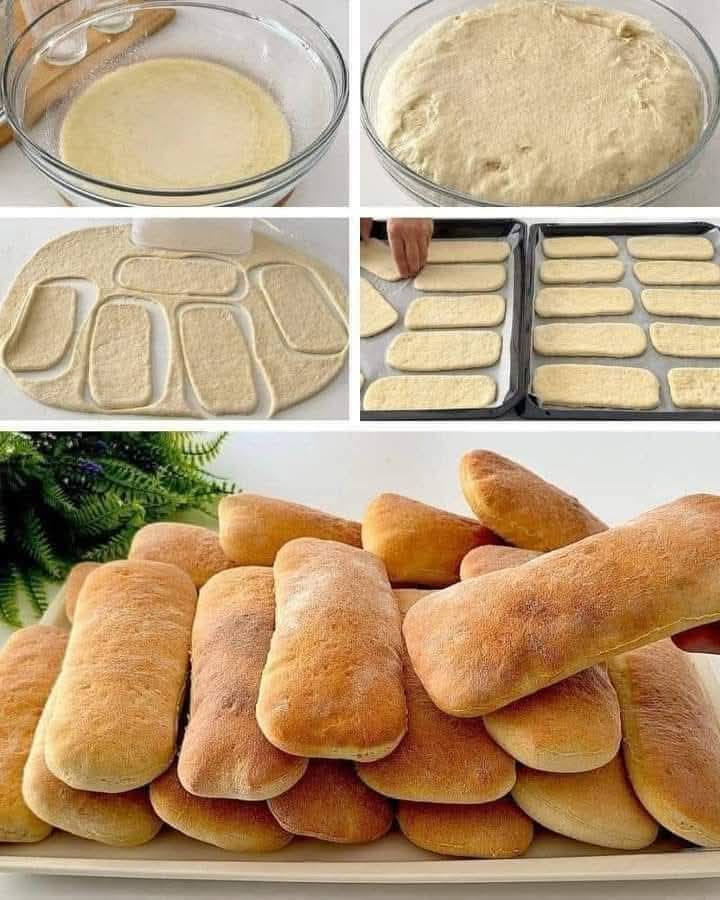
Ciabatta, meaning “slipper” in Italian, is a rustic bread known for its crispy crust and soft, open crumb. Originating from Veneto, Italy, in the 1980s, it was created as Italy’s answer to the French baguette. Perfect for sandwiches, bruschetta, or simply dipped in olive oil, ciabatta has become a favorite worldwide for its chewy texture and subtle flavor.
Ingredients
For the Poolish (starter):
1 cup (125 g) all-purpose flour or bread flour
¾ cup (180 ml) water (room temperature)
¼ teaspoon instant yeast
For the Dough:
All of the poolish (above)
2 cups (250 g) bread flour
¾ cup (180 ml) water (warm, about 100°F / 38°C)
1 teaspoon salt
½ teaspoon instant yeast
1 tablespoon olive oil (optional, for extra flavor)
Instructions
1. Make the Poolish
In a bowl, mix flour, yeast, and water until smooth.
Cover and let sit at room temperature for 12–16 hours, or until bubbly and doubled in size.
2. Make the Dough
In a large mixing bowl, combine the poolish, flour, yeast, salt, and water.
Mix with a wooden spoon or dough hook until a sticky, wet dough forms (ciabatta dough should be loose and elastic).
Let rest for 30 minutes (autolyse stage).
3. Stretch and Fold
Every 30 minutes for 2 hours, perform a “stretch and fold”: gently pull one side of the dough up and fold it over itself.
Do this from all four sides to build structure without kneading.
4. First Rise (Bulk Fermentation)
Cover the bowl and let rise for 1–2 hours, or until doubled in size and bubbly.
5. Shape the Ciabatta
Generously flour your work surface.
Gently turn out the dough and divide into two rectangles.
Handle carefully—don’t punch out the air!
Place each loaf on a floured parchment or baking cloth.
6. Second Rise
Let rest for 45–60 minutes, uncovered.
7. Bake
Preheat your oven to 450°F (230°C) with a baking stone or steel inside.
Slide the loaves (on parchment) onto the hot stone.
Add steam to the oven (spray water or place a pan of hot water on the bottom).
Bake for 25–30 minutes, until golden brown and crisp.
8. Cool
Transfer to a wire rack and cool for at least 30 minutes before slicing.
Description
This ciabatta has a crisp, golden crust and an airy, chewy crumb with large holes — ideal for absorbing olive oil, sauces, or sandwich fillings. The long fermentation gives it a slightly tangy flavor and rich aroma.
Tips
High hydration: Ciabatta dough is very wet — resist the urge to add flour. Wet hands or a bench scraper help manage it.
Steam: Creates that signature crispy crust.
Patience: Long fermentation improves texture and flavor.
Flour type: Use bread flour for better gluten development and structure.
Variations
Whole Wheat Ciabatta: Replace up to 30% of the bread flour with whole wheat flour.
Olive Ciabatta: Mix in ½ cup chopped olives during the last fold.
Herb Ciabatta: Add 1 tablespoon fresh rosemary or thyme for an aromatic twist.
Garlic Ciabatta: Brush baked loaves with olive oil and rub with a cut clove of garlic.
Correction
If your ciabatta:
Is too dense: Dough wasn’t hydrated enough or not fermented long enough.
Didn’t rise well: Yeast may have been old or water too hot.
Crust too soft: Didn’t bake long enough or cooled on a non-ventilated surface.
Enjoy!
Serve warm with extra virgin olive oil and balsamic vinegar, or slice and toast for panini sandwiches.
The aroma of freshly baked ciabatta will make your kitchen smell like a true Italian bakery!